Q- Does the Transcendental Meditation technique affect the brain differently than other types of meditation?
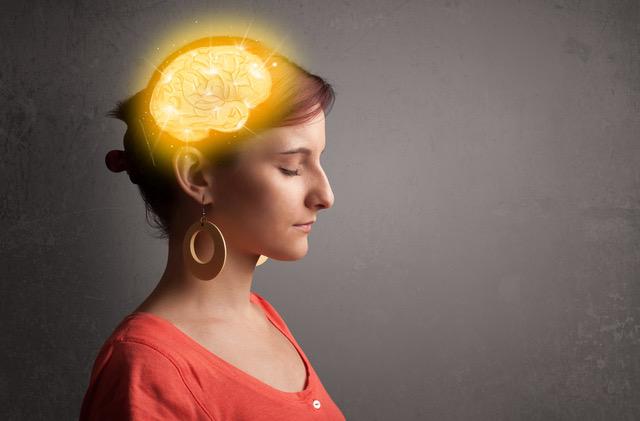
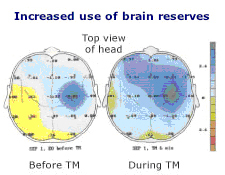
Yes! During the TM technique, the brain is more coherent and integrated, meaning that all the different parts communicate better, working together better as a whole. This is the basis of improved mental performance.
Neuroscientists have found that during the TM practice, the brain produces high-power alpha waves. This distinct brain pattern corresponds to the mind’s relaxed inner wakefulness. When the alpha waves become synchronous, our executive judgement is strengthened.
There are three major types of meditation practices:
Focused attention: concentrating on an object, idea, or emotion; characterized by beta/gamma activity, including meditations from Tibetan Buddhist (loving kindness and compassion), Buddhist (Zen and Diamond Way), and Chinese (Qigong) traditions. This type of meditation keeps the mind involved with activity.
Open monitoring: being mindful of one’s breath, thoughts or feelings; characterized by theta activity, including meditations from Buddhist (Mindfulness, and ZaZen), Chinese (Qigong), and Vedic (Sahaja Yoga) traditions. This type of meditation also keeps the mind involved with activity.
Automatic self-transcending: effortless procedures of meditation that allow the mind to transcend its own activity to the source of thought—pure consciousness; characterized by alpha1 activity, including Transcendental Meditation, which is from the Vedic tradition. No meditation technique other than Transcendental Meditation has been found to consistently produce alpha coherence throughout the brain. Researchers have found that the experience of “transcending” restores neurological balance, inner silence, balanced emotions, and clarity of mind. (ref: Cognitive Processing, 2010)