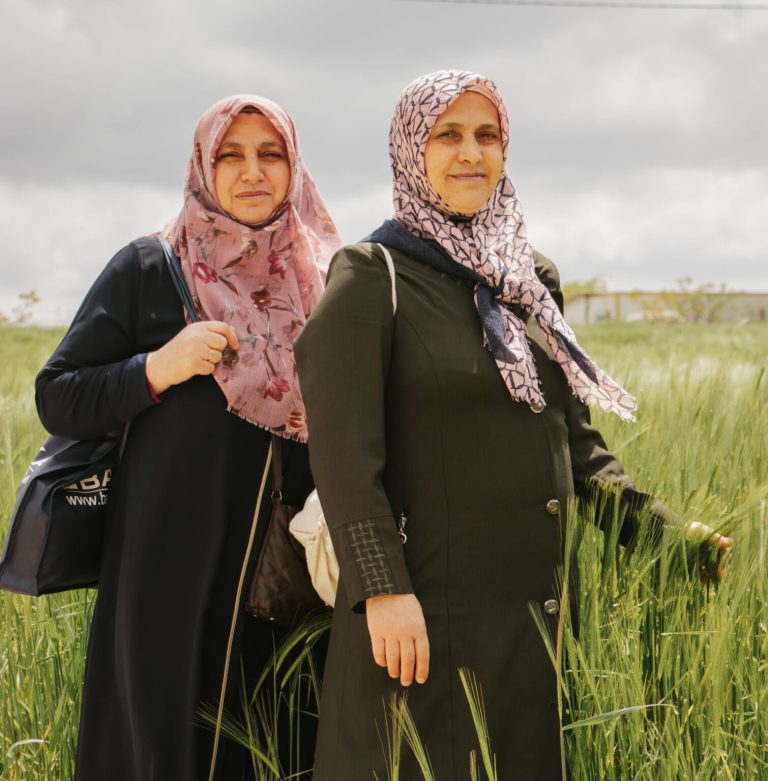
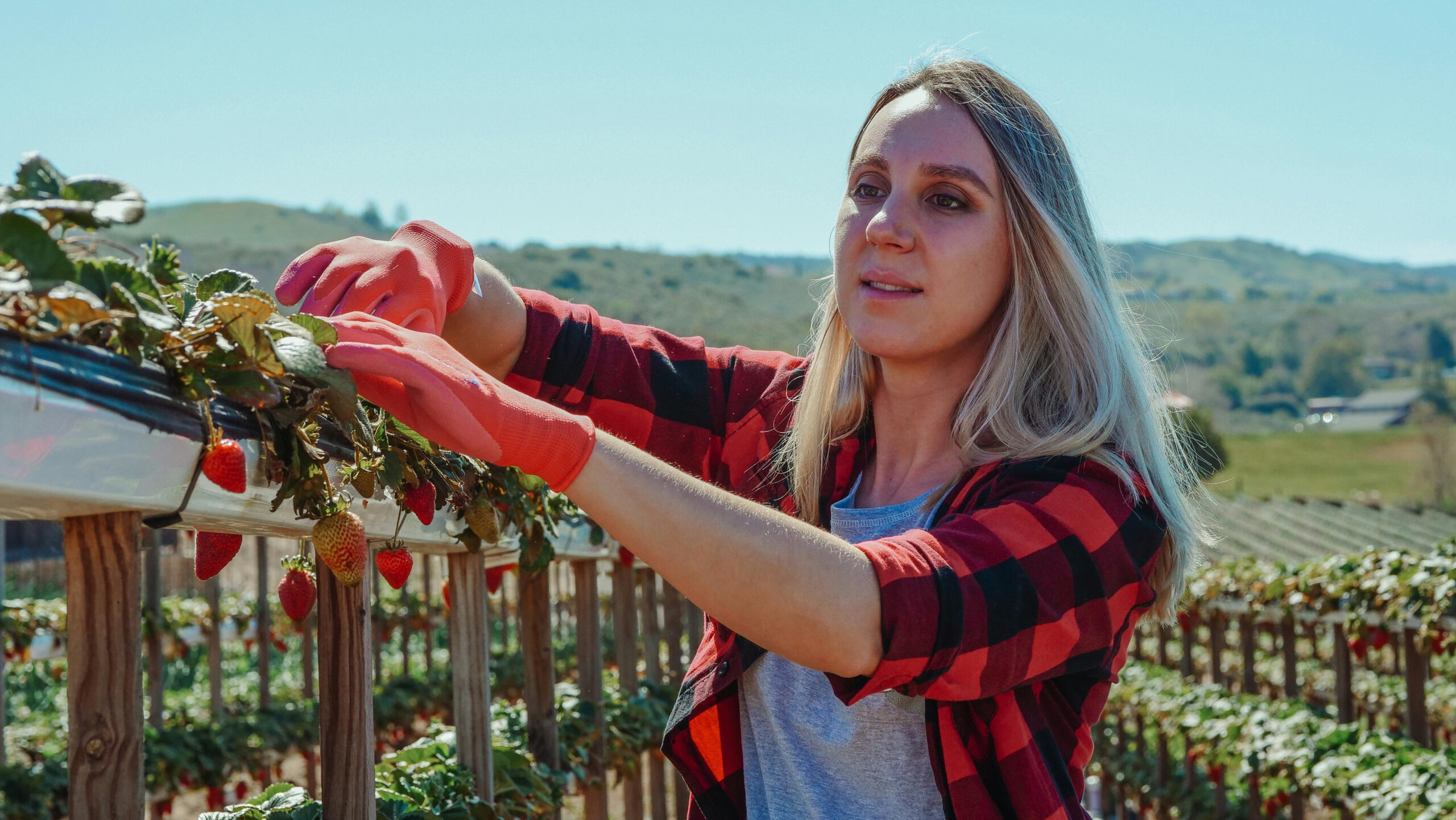
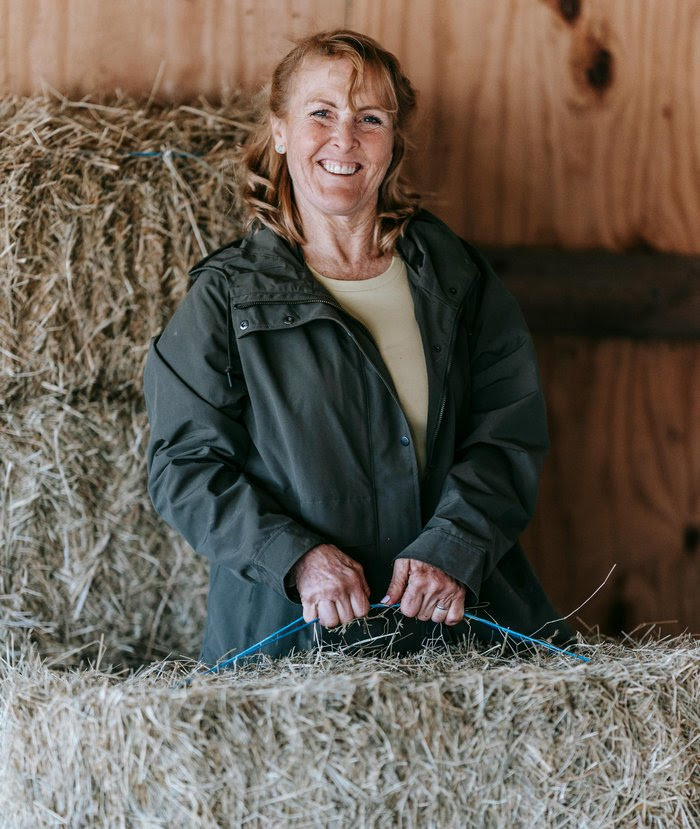
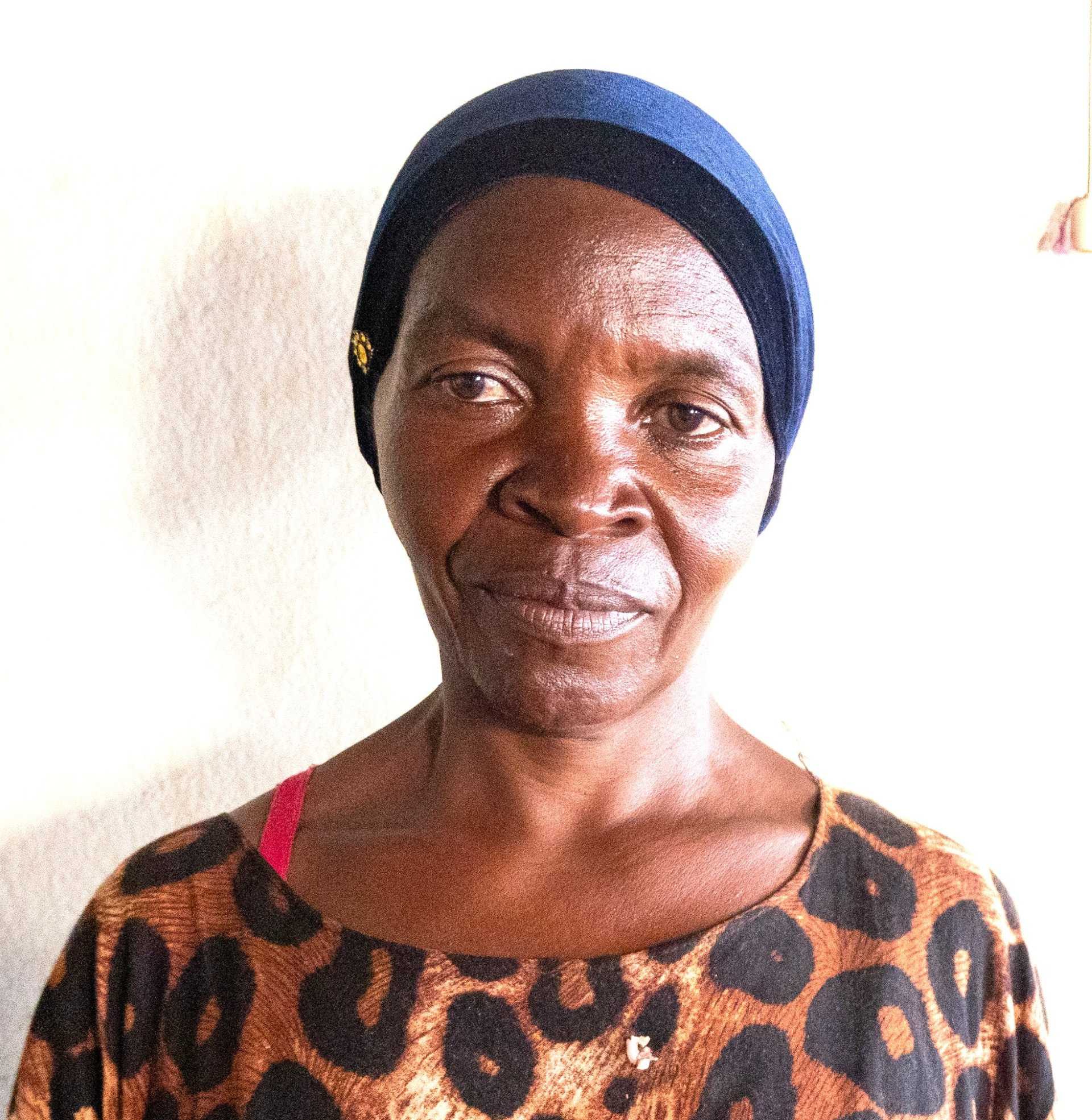
A significant but subtle change is occurring on farms in America: women farmers are increasingly stepping into leadership roles in contributing to local and national food production.
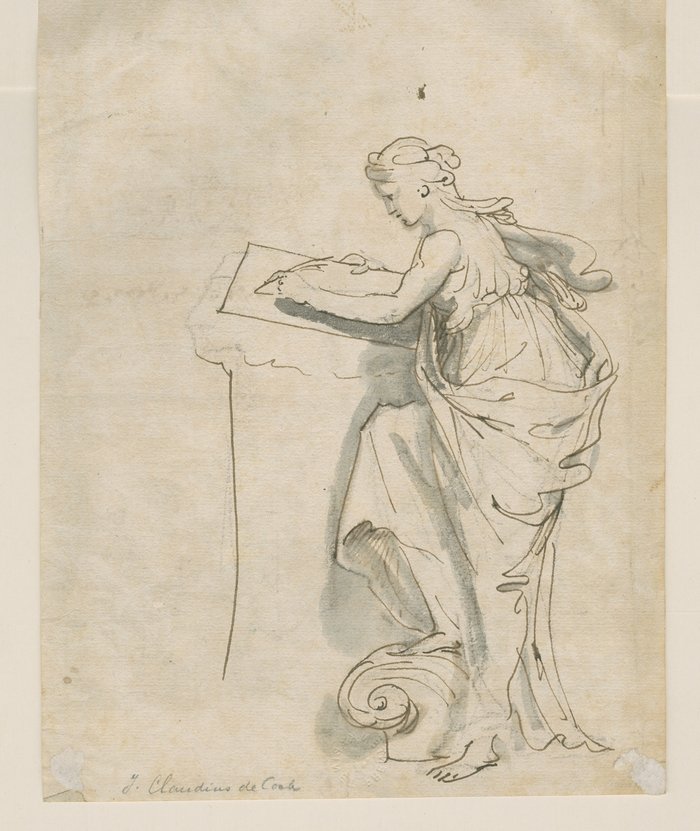
Land, farming and ranching are central to the American narrative, but women are historically missing from the story. Indigenous women had dominated agriculture, but the arrival of European settlers in the 17th century brought a patriarchal order. Whereas the indigenous women taught the newcomers farming, among the settlers it was the men who took over the food production.
Out of necessity caused by the deployment of men during the two world wars, the Women’s Land Army was created to provide the agricultural work and production in America. Between 1943 and 1945, 1.5 million women—mostly college students with no experience of farming—worked on farms, producing a quantity of food 32% above prewar levels.
Because women are naturally good at nourishing, cultivating, growing and multi-tasking, farming is easy for them to adopt. Today’s women farmers find the intimate relationship with the land to be precious and healing. Some say that the growing numbers of women in farming is due to their desire for a healthier and more sustainable life and the satisfaction they enjoy in watching things grow and nurturing them. Although farming is a hard job, taking total dedication, it is valued as an important, noble, helpful, and useful profession.
U.S. Department of Agriculture statistics show that there are now 1.2 million female farmers—more than a third of all U.S. producers. A far cry from when women were not allowed to own land, today in the U.S. women operate about 407 million acres, generating $222 billion in agricultural sales.
Alaska and Arizona lead the nation with almost half their agricultural producers being women. Concurrently, women are taking leadership roles in the agriculture economy, enabling and supporting the success of other women, hand in hand and from generation to generation.
As a woman’s organization, we are happy that our program brings a wide range of benefits to the lives of women farmers and their families: The Transcendental Meditation technique increases energy and stamina, while reducing fatigue and stress. It improves sleep, resilience, focus, decision-making and productivity. TM reduces risk factors for heart disease and decreases burnout and depression.
TM is a simple, natural technique that can be learned easily and practiced anywhere, making it a convenient option for busy farmers.
At TM for Women, we applaud the mission and work of women in agriculture. Those who learn the Transcendental Meditation technique find it supports the realization of their labor and dedication.
Farmer Holly Reichert says, “TM allows me to stay centered and focused on the tasks at hand. TM gives me energy and helps me put in long days of hard and sometimes stressful work. I feel grounded and ready each day to take on whatever is before me: such as unpredictable weather, farm equipment breaking down, and workers not showing up.”