Sarah Sica has had a successful career teaching the Transcendental Meditation program in different sectors of American society, especially populations with trauma and PTS and PTSD symptoms, including nurses, inner-city students and staff, veterans, and survivors of domestic violence. Over the years, she has also directed several TM initiatives, including for business professionals and government staff. And today Sarah serves as the National Director of the Nurses’ and Education Programs for TM for Women.
Here are some of Sarah’s insights on this topic of toxic stress and the power of TM:
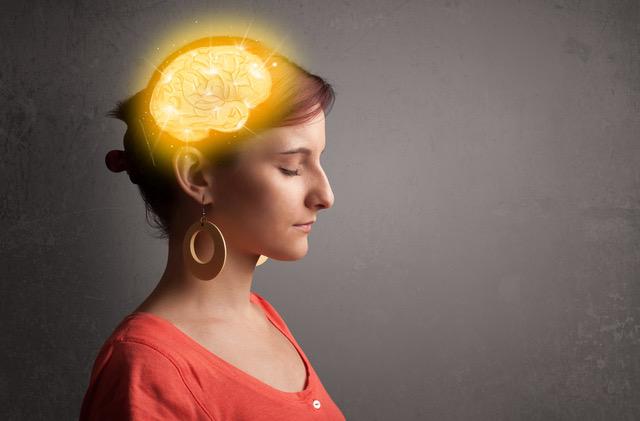
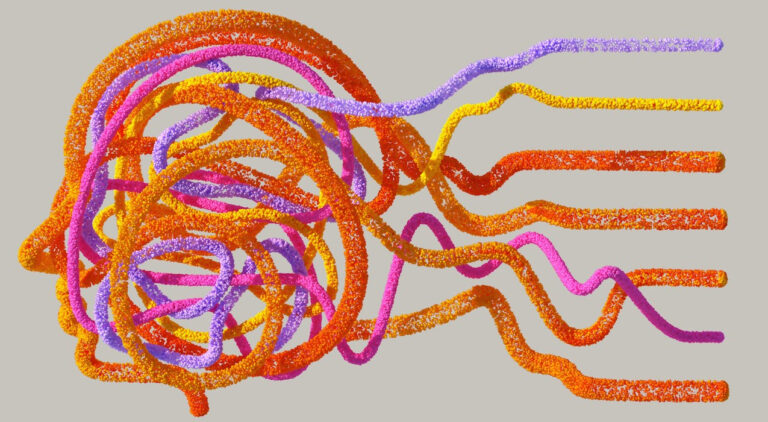
“The brain is like a river, it’s not a rock. Our experiences change the brain. If we’re exposed to stress day in and day out, the brain learns to stay in a stress response, even when we are not in an emergency situation. The good news is, it can also unlearn that. If you’re adding a good habit like the practice of Transcendental Meditation, it helps the brain get out of that mode of stress. TM calms the amygdala, it brings blood flow back to the prefrontal cortex and creates a global coherence over the entire brain. Over time by practicing TM daily, this optimal way for the brain to function becomes the new default setting–we become more resilient to stress and more effective in our lives.
The National Institutes of Health has invested over 23 million dollars studying the effect of TM on hypertension over the years. But the focus in the research lately has shifted to how TM can help with trauma, PTS, and PTSD symptoms:
In a pilot randomized controlled trial done on 40 veterans, published in the Journal of Traumatic Stress in 2021, one group was assigned to learn TM and the other group was assigned treatment as usual. By the end of three months, 50 percent of the veterans that had learned TM had no more PTSD symptoms. Only 10 percent of the usual treatment group had no PTSD symptoms.
In 2020, during the height of COVID, another study (which was published in The Journal of Nursing Administration) was done in three magnet hospitals in Florida. One hundred and four nurses learned TM and were randomly assigned to learn TM immediately or to be the control group and wait for three months for training, but everyone got TM training in the end. Both groups were measured in three areas: anxiety, PTSD and burnout symptoms. Just one month in, the TM group had a 62% drop in anxiety symptoms and this held three months later with a 54% reduction in anxiety. The TM group had a 27% drop in burnout symptoms after one month and there was a 24% reduction still after three months of practice. And, finally, a 53% drop in PTSD symptoms in the TM group after just one month of practice and this held three months later with a 57% drop! There was virtually no change in controls in all three areas.
I am currently overseeing three studies being done on nursing staff and students in the United States. I also had the joy of getting to teach the nursing students and nurses on site at the college and the hospital. And it’s going to be really exciting when these studies are finished and we find out the results.
There’s an alarming statistic in our country: between 18 and 41% of nurses in their very first year of entering the workforce as a nurse end up leaving the profession forever because the stress is so high. And being a nurse is such an important role—really the backbone, the beating heart of the hospital, but it’s a tough job. And if you don’t have nurses, you don’t have a medical system—it’s quite serious. I’m so glad that nurses are getting to learn TM for free in these studies, because they really do deserve the benefits of TM, including decreased stress and compassion fatigue. They give so much every day.
Here is a powerful testimonial from a nurse who has been practicing TM for several years:
‘I didn’t realize how much I needed TM until I finally sat still long enough to try it. As a nurse and a mom, I’ve spent years being the queen of “just one more task and then I’ll rest.” Taking time for myself felt selfish—like stepping away from my patients, or my family, meant I was letting someone down.
But I look back now at that version of me—the one constantly scanning for the next crisis, planning for fires that might never come—and I know she wasn’t okay. She was surviving, not living.
TM gave me the tools to be okay. To breathe more deeply. To pause and actually feel life, instead of just making a task list of it. I was stunned at how easy it was to do. My mind is constantly working and this technique didn’t punish me for it. It accounts for it.
I’ll never forget a conversation with my teacher a few years later. I told her, “I remember in one of our follow-up calls, you said taking time for self-care isn’t selfish—it’s necessary. And it must’ve been the tenth time you said it before I started to believe it a little bit.”
My teacher laughed and said, “If it was during a follow-up call, I had probably said it over a hundred times by then.”
That stayed with me. Because she was right—I needed to hear it again and again, louder than the pulse in my head that always whispered, “just one more thing and then I’ll rest.”
Now, I smile when I think about it. Because I do rest. I do take that time. And I’m a better nurse, mom, friend, and human because of it. TM didn’t just help me function—it helped me return to myself. And for that, I’ll always be grateful.’
— Ebonie, mom of three and RN”